Tell us about the job
Takes about a minute. No obligation.
A boiler that breaks down in Richland County has probably not been worn down by relentless weather load. 58 severe weather events were recorded in Richland County, Illinois between 2015 and 2024. At that rate, severe weather is an event a system might meet a handful of times across its service life, not a constant strain on components. What a contractor finds when they open a failed boiler here, such as a cracked heat exchanger, a failed circulator pump, or seized controls, traces back to how old the unit is and how it has been maintained. Reaching for the weather as the cause would sidestep the more likely answers.
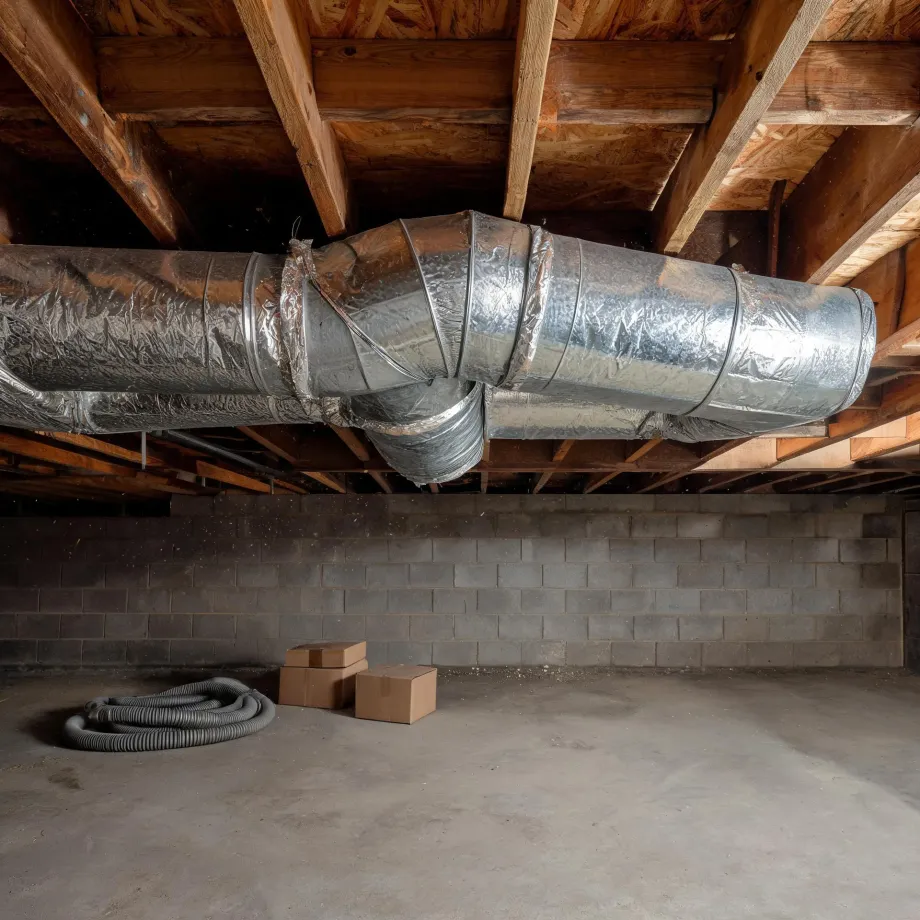
Much of the housing in Richland County has been heating itself for a long time. Half the homes in Richland County, Illinois were built in 1973 or earlier (2020-2024 ACS 5-year). A boiler that has run through that many winters develops failures that look identical on the outside but differ sharply once a contractor opens the unit: a cracked heat exchanger, a failed zone valve, a corroded expansion tank. Each one draws from a different parts pool, and in equipment this old, some of those pools have gone dry. The contractor's first call after opening the unit is often to a supplier, not to a customer.
The Parts of a Boiler a Contractor Checks First
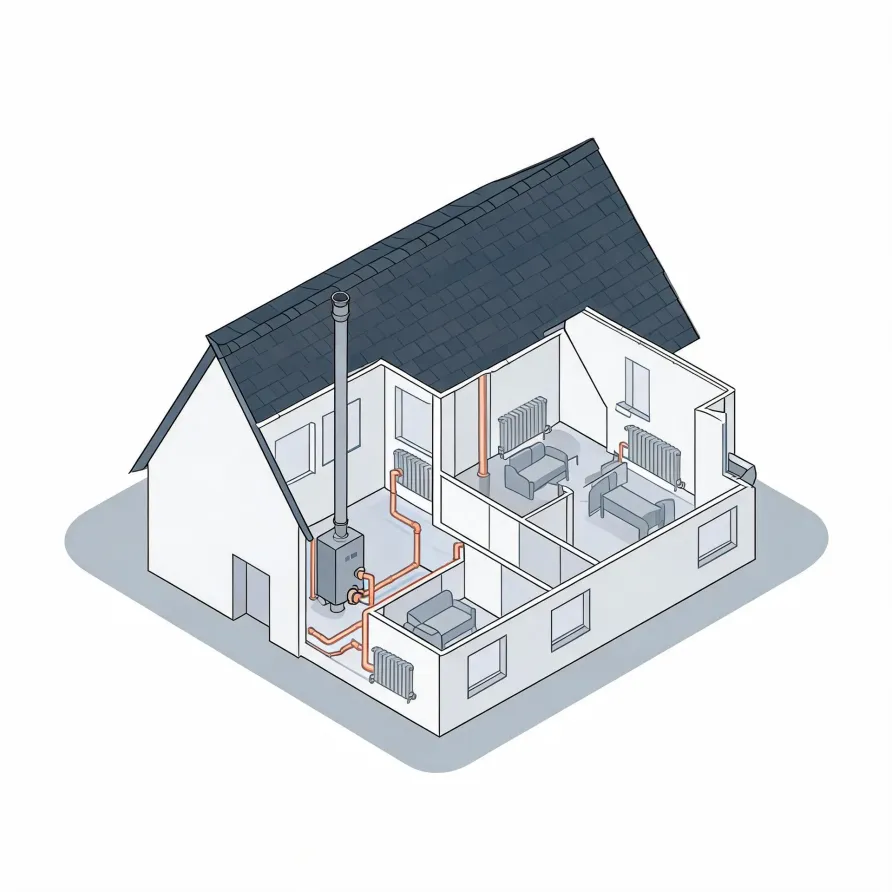
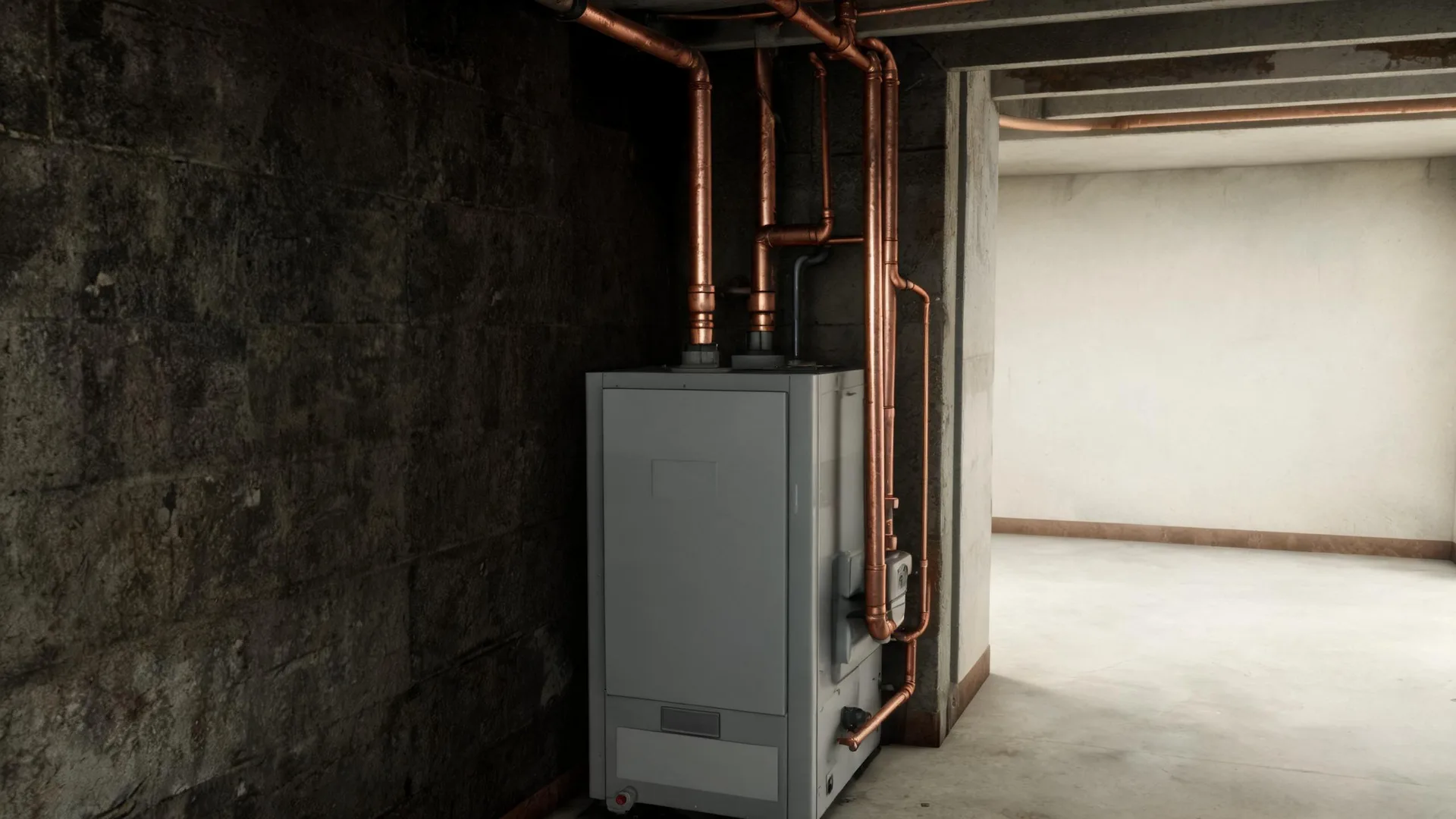
The boiler itself sits in the basement or a utility room and is the piece a contractor goes to first. It houses the burner, the heat exchanger, and the controls that regulate water temperature. When something goes wrong with heat output or cycling behavior, those internal components are where the diagnosis starts.
From the boiler, supply pipes carry hot water to radiators or baseboard units throughout the house, and return pipes bring cooler water back. The circulator pump moves water through that loop, and the expansion tank and pressure relief valve sit nearby to keep the system stable. A problem at any of those points shows up in how the heat reaches the rooms.
The drawing shows a typical boiler layout, and a licensed contractor determines which parts and conditions apply to your specific home.
Get matched in Richland CountyRichland County, by the numbers
58 severe weather events were recorded in Richland County, Illinois between 2015 and 2024.
NOAA National Centers for Environmental Information, Storm Events Database, bulk CSV export, events 2015-01-01 through 2024-12-31.Half the homes in Richland County, Illinois were built in 1973 or earlier (2020-2024 ACS 5-year).
U.S. Census Bureau, 2020-2024 American Community Survey 5-Year EstimatesRichland County, Illinois holds 7,363 housing units (2020-2024 ACS 5-year).
U.S. Census Bureau, 2020-2024 American Community Survey 5-Year EstimatesOwners occupy 73.8% of the occupied homes in Richland County, Illinois (2020-2024 ACS 5-year).
U.S. Census Bureau, 2020-2024 American Community Survey 5-Year EstimatesCodes & Standards Behind Boiler Repair in Richland County, Illinois1 sourced rules & standards
Licensing and Legal Requirements in Richland County, Illinois
Illinois leaves HVAC licensing to the municipality: state law lets the corporate authorities of each city or village examine, license and regulate heating, air conditioning and refrigeration contractors, and caps the licence fee they may charge at $50 — so who licenses you depends on the town you work in.
Severe Weather Events in Richland County
Extreme weather puts boilers under stress that ordinary winters do not. Repair demand in Richland County follows what the weather does, which is why local service history matters more than general estimates.
58 severe weather events, 2015–2024. Source: NOAA National Centers for Environmental Information, Storm Events Database.